

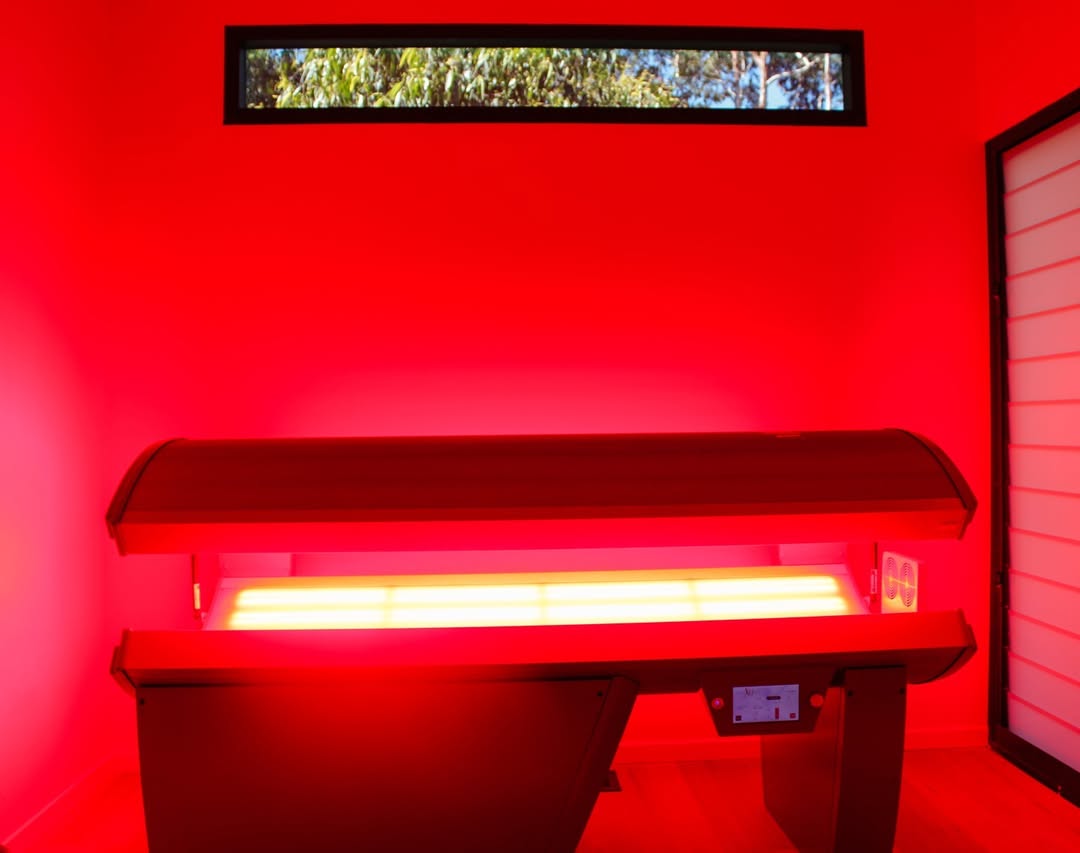
In recent years, full body red light therapy has emerged as a compelling wellness trend, promising an array of benefits that range from enhanced skin health to improved muscle recovery. This non-invasive treatment utilizes low-level wavelengths of red and near-infrared light to stimulate cellular repair, reduce inflammation, and enhance circulation. As more individuals turn to alternative therapies for holistic health improvements, understanding the science and applications of red light therapy becomes increasingly important.
In this article, we will explore the underlying mechanisms of full body red light therapy, its various benefits, the potential risks, and how to incorporate it into your wellness routine. Whether you’re seeking therapeutic outcomes for chronic conditions, skin rejuvenation, or just a boost to your overall vitality, this guide aims to provide a comprehensive overview of this innovative technology and its role in modern health and wellness practices.
Understanding the Mechanisms
Full body red light therapy works primarily through the process of photobiomodulation, wherein specific wavelengths of light penetrate the skin to interact with cells. This interaction enhances mitochondrial function, leading to increased ATP production, which is vital for energy metabolism and cellular repair. As cells utilize this energy more efficiently, they experience reduced oxidative stress, commonly associated with inflammation and aging. Additionally, studies have suggested that red light therapy can stimulate collagen production, promoting healthier skin and wound healing. For those looking to explore this innovative approach, Full Body Red Light Therapy represents a promising avenue for improving physical and aesthetic health.
Benefits and Applications
The range of benefits associated with full body red light therapy is impressive, addressing various concerns from skin rejuvenation to muscle recovery. Users often report improvements in skin tone and texture, reduction in acne, and diminished appearance of fine lines. Athletes and fitness enthusiasts have also embraced the therapy for its potential to enhance recovery times after workouts, alleviate soreness, and improve muscle strength. While many have experienced positive outcomes, it’s essential to consider potential risks, such as skin sensitivity, which can vary between individuals. As this therapy gains popularity, ongoing research will continue to shed light on its effectiveness and best practices for incorporating it into wellness routines.
As with any health and wellness trend, individuals considering full body red light therapy should approach it with informed caution, evaluating not only the promising benefits but also potential individual risks. Consultation with a healthcare provider can ensure that this therapy aligns with one’s specific health needs and lifestyle. Maintaining realistic expectations is crucial; while many users report significant improvements in skin health, recovery, and overall vitality, results may vary. Integrating full body red light therapy into a balanced wellness regimen, complemented by proper skincare and healthful practices, could enhance its benefits, making it a valuable addition for those looking to harness the power of light for their health and well-being. Ultimately, as the research grows and our understanding deepens, full body red light therapy stands as a testament to the evolving landscape of holistic health options designed to promote repair, rejuvenation, and restoration of body and mind.